Advertisement · Independent Editorial · This page may contain affiliate links
Clinical Skin Nutrition
Editorial Review

What Peer-Reviewed Studies Reveal About Vitamins and Their Relationship to Skin, Hair & Nail Biology

A look at the published scientific literature on how specific micronutrients participate in the biological processes underlying skin structure, hair growth, and nail integrity.

The Scientific Inquiry Into Nutrition and Dermal Biology

Over the past two decades, researchers have devoted increasing attention to the intersection of dietary intake and skin physiology. A comprehensive review published in Dermato-Endocrinology in 2012 examined how nutritional factors may influence the aging process within dermal tissue, noting that certain vitamins have been studied for their involvement in key cellular mechanisms [1].

Skin, hair, and nails are among the body's most metabolically active tissues. Because they undergo continuous renewal, they represent a unique context for examining how nutrient availability intersects with cellular turnover. A separate 2008 review in International Journal of Cosmetic Science catalogued both intrinsic biological factors and extrinsic environmental influences that research has associated with changes in dermal function over time [2].

Why These Tissues Are Studied

Published literature describes skin, hair, and nails as rapidly dividing tissues whose structural proteins depend on a steady supply of co-factors and building blocks. This biological characteristic is what has drawn researchers to examine the role of specific micronutrients in supporting these processes [1][2].

What Published Literature Says About Surface Application Versus Dietary Pathways

Topical skincare products represent the most visible segment of the personal care industry. However, peer-reviewed research has also explored a complementary angle: whether the internal availability of specific micronutrients plays a distinct role in dermal biology that surface treatments alone may not fully address.

Multiple published reviews have examined how vitamins delivered through diet or supplementation participate in biological processes occurring beneath the epidermal surface — at the cellular level where structural proteins are synthesized and tissue renewal takes place.

“An adequate supply of [vitamins] is important and a deficit as well as in some cases supplementation were shown to affect skin conditions.” — Schagen et al., Dermato-Endocrinology, 2012 [1]

This observation from the peer-reviewed literature underscores a point that researchers have raised: surface-level care and internal nutritional status may represent two different dimensions of skin biology worth examining independently.

Four Micronutrients Highlighted Across Published Research

The following vitamins have been the subject of published peer-reviewed studies exploring their biochemical involvement in processes related to skin structure, hair biology, and nail formation:

Biotin (Vitamin B7)

A 2017 review in Skin Appendage Disorders examined biotin's role in keratin production — the structural protein that forms the foundation of hair and nails. The review noted that biotin functions as a cofactor for carboxylase enzymes involved in protein metabolism, and that its relationship to keratin infrastructure has been a subject of clinical interest [3][9].

Vitamin A (Retinol)

According to the NIH Office of Dietary Supplements, vitamin A participates in cellular differentiation — the process by which immature cells develop into specialized tissue types. This mechanism is fundamental to how the body continuously regenerates skin cells and maintains epithelial structures [5].

Vitamin B12 (Cobalamin)

The NIH fact sheet describes vitamin B12 as essential for DNA synthesis and red blood cell formation. A 2019 review published in Dermatology and Therapy further catalogued how B12 status has been examined in dermatological research contexts, noting its involvement in cell division processes relevant to rapidly renewing tissues [4][6].

Pantothenic Acid (Vitamin B5)

Per NIH documentation, pantothenic acid is required for the synthesis of coenzyme A — a molecule central to fatty acid metabolism and energy production at the cellular level. Published research has examined how this metabolic pathway intersects with the maintenance of epithelial tissues [7].

“The correct diagnosis of [nutrient] deficiency can be a challenge since there are no universally accepted thresholds for all vitamins.” — Almohanna et al., Dermatology & Therapy, 2019 [4]

This finding from the 2019 review highlights an important nuance: research into micronutrient status and its relationship to dermal biology is an evolving area where individual variability and diagnostic complexity remain active topics of scientific discussion.

Introducing Gelagen: A Gummy Supplement Featuring These Researched Nutrients

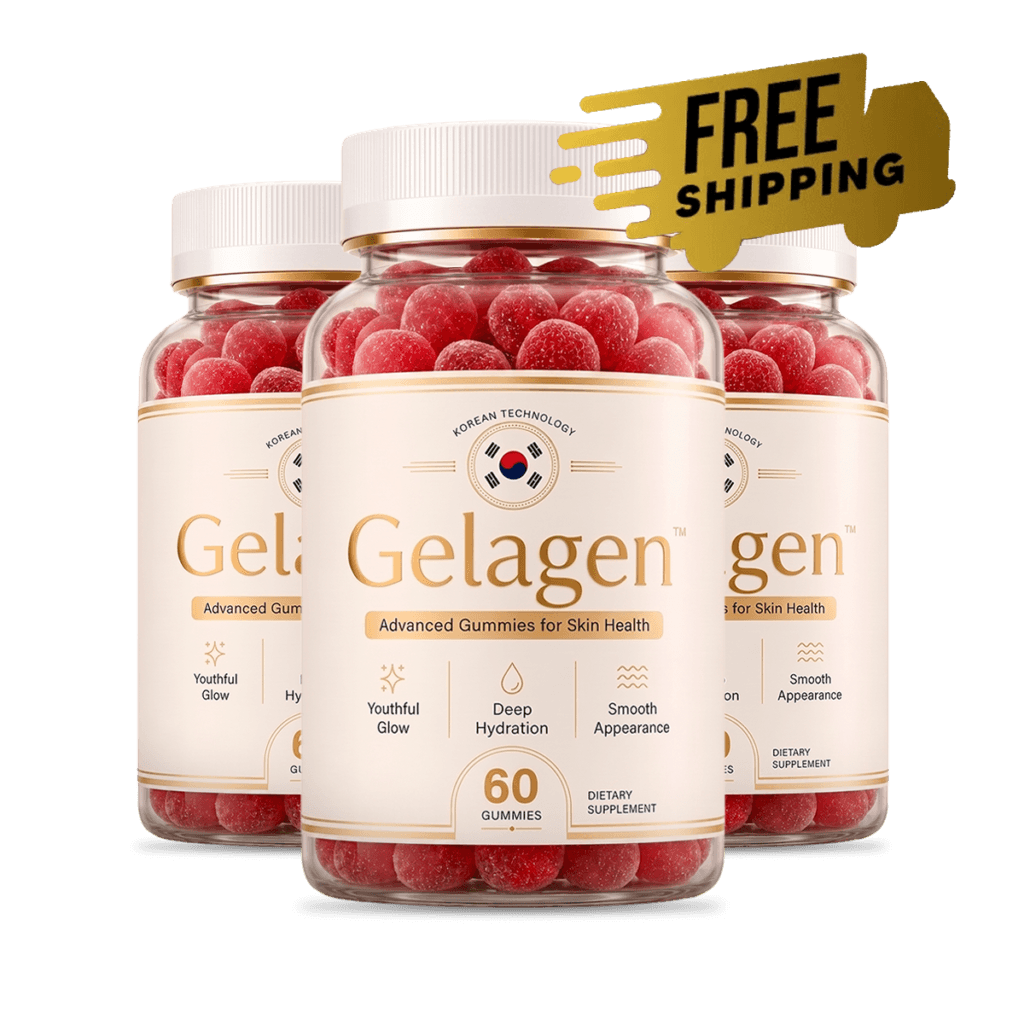
Gelagen supplement bottle

Gelagen is a dietary supplement in gummy form that brings together the four micronutrients discussed above — Biotin, Vitamin A, Vitamin B12, and Pantothenic Acid — into a single daily serving.

  • Contains Biotin, Vitamin A, B12, and Pantothenic Acid
  • Gummy format selected based on published adherence research [8]
  • Manufactured in the United States in a GMP-certified facility
  • Designed as a dietary supplement, not a medication

The gummy delivery format was chosen in part because published research has indicated that ease of use may positively influence long-term supplement adherence [8].

What Each Nutrient Contributes According to Published Sources

B7

Biotin

Functions as a cofactor in carboxylase enzyme activity; studied for its involvement in keratin production, the structural protein of hair and nails [3][9].

A

Vitamin A

Participates in cellular differentiation and the maintenance of epithelial tissue, per NIH documentation on its biological functions [5].

B12

Vitamin B12

Required for DNA synthesis and cell division — processes fundamental to the continuous renewal of rapidly turning over tissues [4][6].

B5

Pantothenic Acid

Essential for coenzyme A synthesis, supporting fatty acid metabolism and energy pathways at the cellular level [7].

Who May Find This Information Relevant

Based on the published research discussed throughout this review, the following individuals may find a supplement like Gelagen worth discussing with their healthcare provider:

Choose Your Gelagen Package

6 bottles of Gelagen
6 Bottles
$49/bottle
Total: $294
Select This Option
2 bottles of Gelagen
2 Bottles
$79/bottle
Total: $158
Select This Option
60-Day Money-Back Guarantee

Gelagen is backed by a 60-day refund policy. If you are not satisfied for any reason, contact the retailer within 60 days of purchase for a full refund, minus shipping and handling.

View Gelagen Options 60-day refund policy · GMP-certified facility · Made in the USA

Common Questions About Gelagen

What ingredients does Gelagen contain?

Gelagen contains four micronutrients that have been the subject of published peer-reviewed research in the context of skin, hair, and nail biology: Biotin (Vitamin B7), Vitamin A, Vitamin B12, and Pantothenic Acid (Vitamin B5). Each of these nutrients has documented biological functions described in scientific literature and NIH fact sheets.

Is Gelagen a medication?

No. Gelagen is classified as a dietary supplement, not a pharmaceutical product. It is not intended to diagnose, treat, cure, or prevent any disease. Dietary supplements are regulated differently from medications. If you have specific health concerns, consult a qualified healthcare professional before beginning any supplementation.

Can Gelagen replace my skincare routine?

Gelagen is not designed to replace topical skincare. As discussed in the research reviewed on this page, internal nutrition and external skincare represent different dimensions of skin biology. Gelagen provides specific micronutrients studied in the published literature; it is not a substitute for a dermatologist-recommended skincare regimen or professional medical advice.

Are there any precautions I should be aware of?

As with any dietary supplement, it is recommended that you consult your healthcare provider before use, especially if you are pregnant, nursing, taking prescription medications, or have a pre-existing medical condition. Do not exceed the suggested serving size printed on the product label.

What is the refund policy?

Gelagen is sold through BuyGoods and comes with a 60-day money-back guarantee. If for any reason you are not satisfied, you may contact the retailer within 60 days of your purchase date to request a full refund, minus any shipping and handling charges.

What is the recommended dosage?

Follow the serving instructions printed on the Gelagen product label. Do not exceed the recommended daily serving. For personalized guidance on dosage or suitability, consult a licensed healthcare provider familiar with your individual health profile.

References

  1. Schagen SK, et al. "Discovering the link between nutrition and skin aging." Dermato-Endocrinology. 2012;4(3):298-307. PMID 23467449.
  2. Farage MA, et al. "Intrinsic and extrinsic factors in skin ageing: a review." Int J Cosmet Sci. 2008;30(2):87-95. PMID 18377617.
  3. Patel DP, et al. "A Review of the Use of Biotin for Hair Loss." Skin Appendage Disord. 2017;3(3):166-169. PMID 28879195.
  4. Almohanna HM, et al. "The Role of Vitamins and Minerals in Hair Loss: A Review." Dermatol Ther. 2019;9(1):51-70. PMID 30547302.
  5. NIH Office of Dietary Supplements. "Vitamin A — Fact Sheet for Health Professionals." ods.od.nih.gov
  6. NIH Office of Dietary Supplements. "Vitamin B12 — Fact Sheet for Health Professionals." ods.od.nih.gov
  7. NIH Office of Dietary Supplements. "Pantothenic Acid — Fact Sheet for Health Professionals." ods.od.nih.gov
  8. NIH Office of Dietary Supplements. "Biotin — Fact Sheet for Health Professionals." ods.od.nih.gov
  9. Zempleni J, et al. "Biotin and biotinidase deficiency." Expert Rev Endocrinol Metab. 2008;3(6):715-724. PMID 19727438.
  10. AAD. "Skin care tips dermatologists use." aad.org
FDA Disclaimer These statements have not been evaluated by the Food and Drug Administration. This product is not intended to diagnose, treat, cure, or prevent any disease.
Medical Disclaimer The content on this page is for informational and educational purposes only and does not constitute medical advice. Always seek the guidance of a qualified healthcare provider with any questions regarding a medical condition or supplementation. Never disregard professional medical advice or delay seeking it because of something you have read on this page.
Results Disclaimer Individual results may vary. The information presented here is based on published scientific research and does not guarantee any specific outcome. Dietary supplements are not a substitute for a balanced diet and healthy lifestyle.
Advertising Disclosure This page is an advertisement and contains affiliate links. If you click a link and make a purchase, the publisher of this page may receive compensation. This financial relationship does not influence the scientific references cited, which are independently verifiable through the sources listed above.
Research Disclaimer The scientific studies referenced on this page were conducted independently by their respective authors and institutions. Their inclusion does not imply endorsement of Gelagen by any researcher, journal, or institution cited. Research findings describe biological mechanisms studied under specific conditions and may not directly predict outcomes from dietary supplementation.